Is Tanzania Safe to Visit During the Ebola Outbreak?
Is Tanzania Safe to Visit During the Ebola Outbreak?
Update for Tanzania, Uganda, Kenya and DRC
Last updated: 3 June 2026.
This page is written for travellers planning safaris, business trips, or family visits in Tanzania, Uganda, Kenya, and the Democratic Republic of the Congo (DRC). Because outbreak information changes, use the official links in the Sources to monitor section for the most current updates and case counts.
Quick summary (read this first)
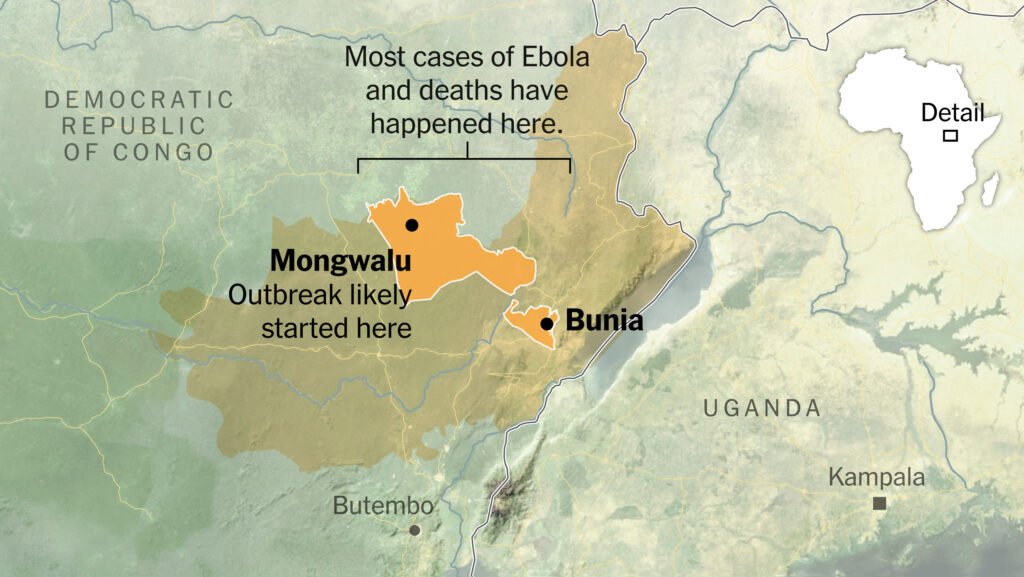
Where Ebola has been reported: the current Bundibugyo Ebola outbreak has been reported in DRC and Uganda.
Kenya and Tanzania: as of this update, no confirmed cases linked to this outbreak have been reported in mainstream tourist areas, but both countries may apply entry screening for travellers arriving from affected areas.
What this means for most safaris: many itineraries in Kenya and Tanzania continue as normal, with routine health checks at points of entry. Uganda travel may still be possible, but requires closer monitoring and readiness for additional screening and guidance.
DRC travel: DRC is an affected country. Non essential travel to outbreak areas should be reconsidered and official guidance should be followed closely.
The 2026 outbreak is centred in parts of eastern DRC and Uganda. Most Kenya and Tanzania safari routes are in different regions.
What is happening (and why it is in the news)
On 17 May 2026, the World Health Organization declared the Ebola virus disease outbreak caused by the Bundibugyo virus in DRC and Uganda a Public Health Emergency of International Concern. Source: European Centre for Disease Prevention and Control.
The outbreak was first confirmed on 15 May 2026 in Ituri Province in northeastern DRC. Source: CDC.
Where the outbreak is located
Official situation updates describe outbreak activity in parts of eastern DRC (including Ituri, North Kivu and South Kivu) and related cases in Uganda, including cases reported in Kampala linked to the regional outbreak. Source: CDC situation summary.
Country by country travel guidance
DRC (Democratic Republic of the Congo)
DRC is one of the countries with active transmission reported. If you are considering travel to DRC, follow health agency guidance closely, review your route carefully, and reassess non essential travel until the outbreak is controlled. Source: CDC notice.
Practical takeaways for travellers to DRC:
Plan for increased screening and potential movement restrictions in affected provinces.
Avoid healthcare settings unless necessary, and follow local health authority instructions.
If your trip includes border areas with Uganda, be prepared for stricter checks at crossings.
Uganda
Uganda has reported cases linked to the regional outbreak. If your trip includes Uganda, check official advisories more frequently and be prepared for additional screening, health questionnaires, and possible changes to local public health guidance. Source: CDC.
On 15 May 2026, CDC issued travel health notices for travellers to Uganda and to DRC. Source: CDC.
Practical takeaways for travellers to Uganda:
Expect more health screening than in Kenya or Tanzania, especially if travelling through or near areas linked to the outbreak response.
Keep your itinerary flexible in case local guidance changes quickly.
Have a plan for medical support and evacuation, particularly for remote trips.
Kenya
Kenya is not currently experiencing an Ebola outbreak. However, Kenya has increased screening and preparedness because of regional travel links. Source: The EastAfrican.
Most travellers arriving from outside outbreak areas should expect routine public health measures such as temperature checks. If you have been in DRC or Uganda in the prior 21 days, you may be asked to complete additional health declarations or screening on arrival.
Safari travel to major destinations including Masai Mara, Amboseli, Samburu and Tsavo continues without Ebola related restrictions at the time of writing.
Tanzania
Tanzania has no confirmed Ebola cases linked to this outbreak. Tanzania has implemented proportionate entry screening measures for travellers arriving from, or transiting through, affected areas (not for most general international visitors). Sources: Travel.gc.ca, Smartraveller.
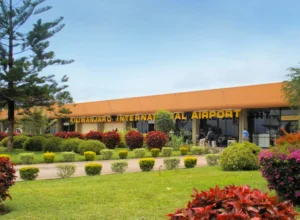
Serengeti National Park, Ngorongoro Conservation Area and Tarangire National Park remain open, and there have been no Ebola related park closures announced at the time of writing.
What “at risk” means for the region
Africa CDC and other agencies may list neighbouring or connected countries as “at risk” for preparedness and monitoring. This does not automatically mean there is community transmission in those countries. Source: Al Jazeera.
What entry screening can look like (airports and borders)
Measures may include temperature checks, health declaration forms, and additional screening if you recently travelled in affected areas. These steps are designed to identify risk based arrivals, not to restrict routine tourism for travellers coming from outside outbreak zones.
If you travelled in DRC or Uganda recently: allow extra time at immigration and be ready to share a clear travel history for the past 21 days.
If you are transiting through affected areas: screening can still apply, even if you did not leave the airport, depending on country rules and how they are implemented at the time.
Ebola basics for travellers
How Ebola spreads
Ebola spreads through direct contact with the bodily fluids of an infected person. It does not spread through casual contact or airborne spread in the way respiratory viruses do. Source: CDC.
Symptoms
Symptoms typically appear between 2 and 21 days after exposure. Common symptoms include:
Sudden onset of high fever
Severe headache and muscle pain
Fatigue and weakness
Sore throat, vomiting and diarrhoea
In severe cases, unexplained bleeding or bruising
What to do if you feel unwell
If you develop symptoms within 21 days of travel in affected areas, seek medical care immediately and share your travel history. Follow local health authority instructions.
The Bundibugyo strain
The Bundibugyo species of Ebola virus was first identified in Uganda in 2007. Source: CDC.
Check official updates daily, especially if travelling to Uganda or DRC.
Comply with screening and complete health forms accurately.
Reduce high risk exposure by avoiding contact with bodily fluids, avoiding funerals where there is contact with the body, and following public health guidance in affected areas.
Confirm travel insurance covers medical treatment and evacuation.
Keep key contacts handy including your operator, lodging, and local emergency numbers.
Stay in contact with your operator for route specific updates and contingency planning.
Your government travel advisory site for entry requirements and alerts
Bottom line
If your trip is focused on Tanzania and Kenya, travel is generally proceeding as normal, with added public health screening for risk based arrivals. If your itinerary includes Uganda or DRC, monitor official updates closely, follow guidance, and be prepared for additional screening or changes.