

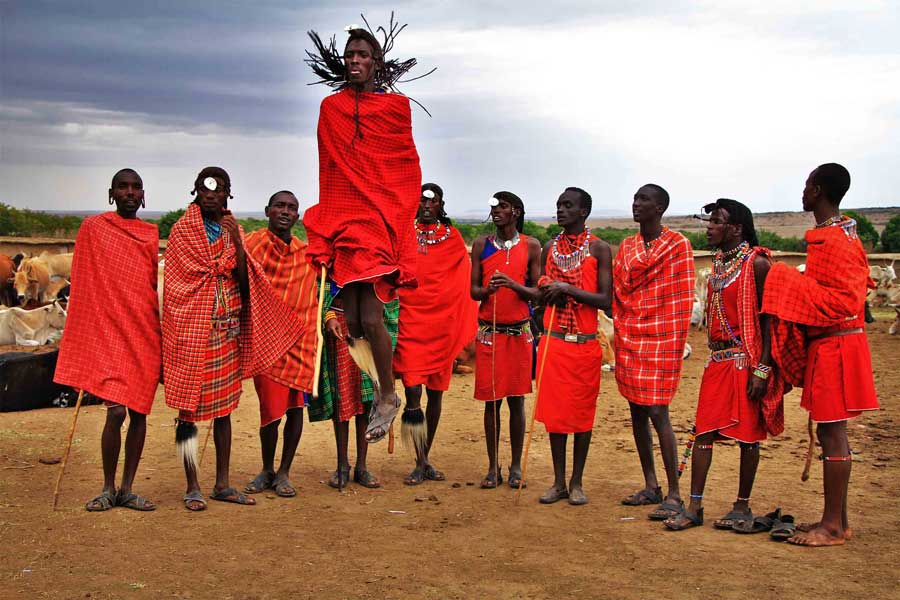
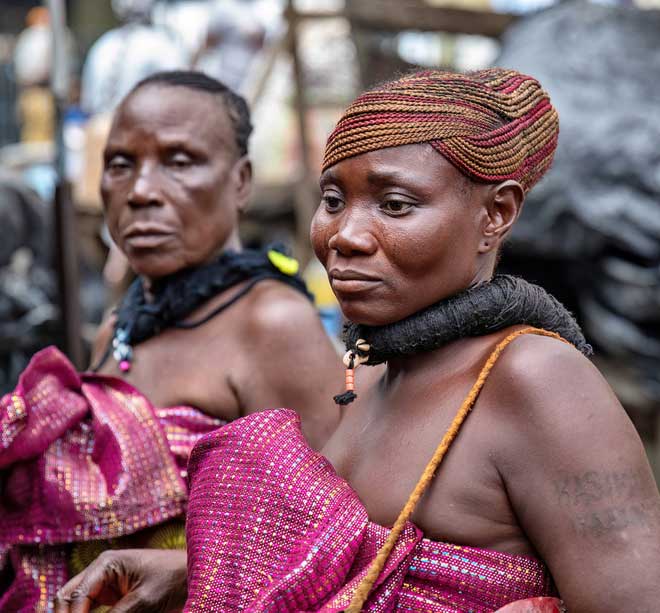
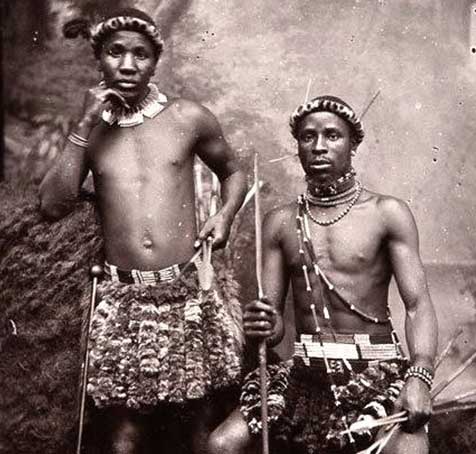



The Zulu tribe, South Africa’s largest ethnic group, is famed for its rich cultural heritage. Their history is deeply entwined with stories of warfare and craftsmanship.
Zulu beadwork is an expressive art form, often used to convey messages through color and design. Each bead tells a story, reflecting personal or communal identity.
Traditional Zulu dances, such as the vigorous Indlamu, showcase their energetic spirit. These dances are integral to celebrations and community gatherings.
Key Highlights of Zulu Culture:
These elements illustrate their blend of tradition and innovation, making the Zulu a vibrant symbol of South Africa’s diverse cultural landscape.
The San: Ancient Wisdom of the Kalahari
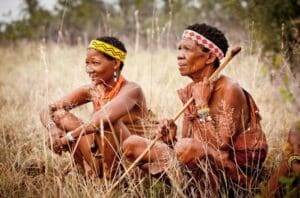
The San people, often called Bushmen, are among the world’s oldest indigenous peoples. They inhabit the vast Kalahari Desert, having adapted over millennia.
The San culture revolves around a deep knowledge of nature, possessing expert skills in tracking and hunting. They use simple tools like bows and arrows, crafted from natural materials.
Languages spoken by the San include unique click consonants, adding a complex layer to their oral traditions. Storytelling plays a crucial role, preserving their history and wisdom.
Fascinating Aspects of San Culture:
Their lifestyle is a testament to endurance and sustainability, offering valuable insights into human adaptability.
The Yoruba: Spirituality and Art in West Africa
The Yoruba people, residing predominantly in Nigeria, are renowned for their profound spiritual beliefs and artistic heritage. Their culture is a blend of vibrant traditions and a rich mythological tapestry.
Central to Yoruba spirituality is the worship of the Orishas, divine figures who embody various forces of nature and human attributes. These deities influence daily life, guiding the spiritual practices of the community.
Yoruba art is diverse, extending from intricate bronze sculptures to colorful textiles and beadwork. Their craftsmanship reflects a deep connection to ancestral and spiritual themes, carrying profound symbolism.
Key Elements of Yoruba Culture:
Their festivals, like the Osun-Osogbo Festival, attract global visitors, offering a vivid glimpse into their cultural depth.

The Berbers: Indigenous Peoples of North Africa
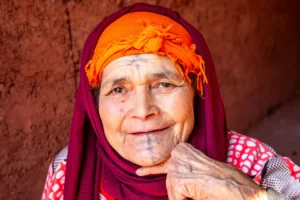
The Berbers, also known as the Amazigh, are the indigenous peoples of North Africa, with a vibrant history spanning thousands of years. They are found predominantly in the Atlas Mountains and Sahara Desert.
Their culture is defined by a strong sense of identity and tradition, maintained through music, language, and art. Berber society values community ties and the matrilineal heritage, emphasizing familial bonds and history.
Music is integral to their community life, featuring instruments like the Imzad. Traditional songs and dances are often part of ceremonies and festivals, showcasing their rich cultural lineage.
Characteristics of Berber Culture:
Their handicrafts, such as intricately designed carpets and jewelry, also serve as a testament to their skilled artistry.
The Dogon: Mysticism and Astronomy in Mali
The Dogon people inhabit the central plateau region of Mali. They are renowned for their rich spiritual traditions and unique architectural structures.
Their culture is steeped in a blend of mythology and astronomy, which has captivated anthropologists and historians alike. The Dogon possess extensive knowledge of celestial bodies and incorporate this into their religious beliefs.
Their cliff-side villages are architectural wonders, built to blend seamlessly with the natural landscape. These structures serve both as homes and sacred spaces for religious ceremonies.
Highlights of Dogon Culture:
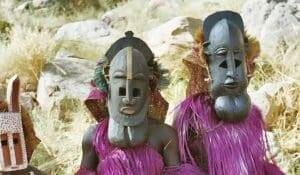
Religious ceremonies often include masked dances, which are vibrant and spiritually significant. These dances are a physical manifestation of their rich oral traditions and community history.
The Ashanti people are one of the most powerful and influential ethnic groups in West Africa. They are centered in modern-day Ghana and have a long history entwined with gold and trade.
This empire thrived between the 18th and 19th centuries, well-known for its opulent wealth and sophisticated governance. The Ashanti’s golden stools symbolize their unity and cultural identity. These stools hold immense spiritual significance.
The Ashanti are also celebrated for their vibrant Kente cloth, which is a symbol of African pride and creativity. This cloth is worn during important ceremonies and rites of passage.
Key Aspects of Ashanti Culture:
The Ashanti maintain a strong sense of community and tradition, successfully blending modern influences with their rich cultural heritage.

Preserving Heritage: Challenges and Opportunities
African tribes face many hurdles in keeping their rich cultures alive. Modernization often pressures them to adapt, risking the loss of unique traditions.
However, there are opportunities too. Global interest in authentic cultural experiences opens doors for tribes to share their heritage. This can both educate and create income.
Several initiatives focus on aiding tribes in their preservation efforts. These include:
Efforts to preserve tribal heritage are crucial to maintaining cultural diversity across Africa.
How to Experience African Cultures Respectfully
Immersing oneself in African cultures should be approached with sensitivity and respect. Awareness of cultural norms is vital to ensure respectful interactions with indigenous peoples.
Travelers should prioritize genuine engagement over mere observation. Participating in local customs or ceremonies where appropriate can offer deeper insights into tribal traditions.
Here are some tips:
By approaching these experiences with openness and humility, travelers can truly appreciate the richness of African cultures.
Conclusion: Embracing Africa’s Cultural Tapestry
Exploring the diverse and vibrant cultures of African tribes offers profound insights into the continent’s rich cultural heritage. Each tribe provides a unique glimpse into the deep traditions and histories that shape their communities.
Travelers and enthusiasts alike are encouraged to approach these experiences with respect and curiosity. By doing so, we can all contribute to preserving these invaluable cultural treasures for generations to come.