Imagine the scent of charcoal-grilled meat blending with the salty breeze of the Indian Ocean. This is not just a meal. It is the true essence of food in Tanzania.
Many travelers arrive expecting simple campfire dishes. What they discover instead is a rich and layered cuisine shaped by over 1,000 years of global trade. Tanzanian food brings together local Bantu staples, aromatic Arabian spices, and bold Indian flavors. The result is a unique culinary identity found nowhere else in Africa.
If you are wondering what to eat in Tanzania, this guide will introduce you to local dishes shaped by this remarkable history.
A Culture Built Around Sharing Food
Tanzanian meals are not just about eating. They are about connection.
Food is often shared from a single large plate, with family and friends gathered around. Whether it is rice, Ugali, or grilled meat, meals are meant to be enjoyed together. This communal style reflects a simple belief: food tastes better when shared.
The Three Pillars of Tanzanian Cuisine
To truly understand Tanzanian cuisine, it helps to know its foundation. Most dishes are built around three key elements:
Starch – the base of most meals, usually rice, maize, or bananas
Spice – coastal influences like cloves, cardamom, and coconut
Smoke – the deep flavor from charcoal grilling
These pillars define the flavors you will experience across the country.
Why Tanzanian Cuisine Is a 1,000-Year-Old Fusion
Tanzanian food is deeply influenced by centuries of trade along the Indian Ocean. Traders arriving by dhow boats brought Persian cooking techniques and Indian spices such as cloves, cinnamon, and cardamom. Over time, these blended with local African ingredients to create what is now known as Swahili cuisine.
Along the coast, especially in Zanzibar, dishes are rich, spiced, and often cooked with coconut. Inland, the flavors become simpler and heartier, focusing on grilled meats, beans, and fresh local produce.
Despite these regional differences, one dish remains constant across Tanzania: Ugali. This staple serves as both food and utensil, bringing balance to every meal.
What to Expect Next
From coastal curries to highland comfort foods, the dishes that follow represent the best of Tanzanian cuisine. These are the must-try foods that capture both tradition and everyday life across the country.
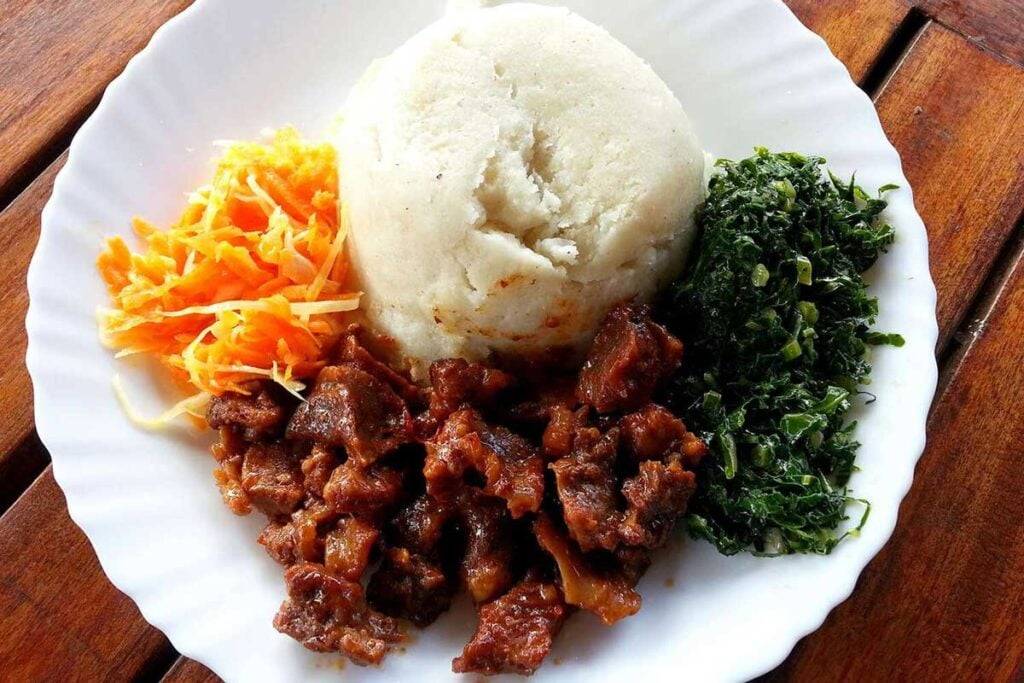
1. Ugali (The National Staple)
Ugali is the foundation of traditional Tanzanian food. It is a thick maize porridge served with meat, vegetables, or sauces.
Neutral taste that balances strong flavors
Eaten by hand as a scoop for sauces
Found in almost every meal across Tanzania
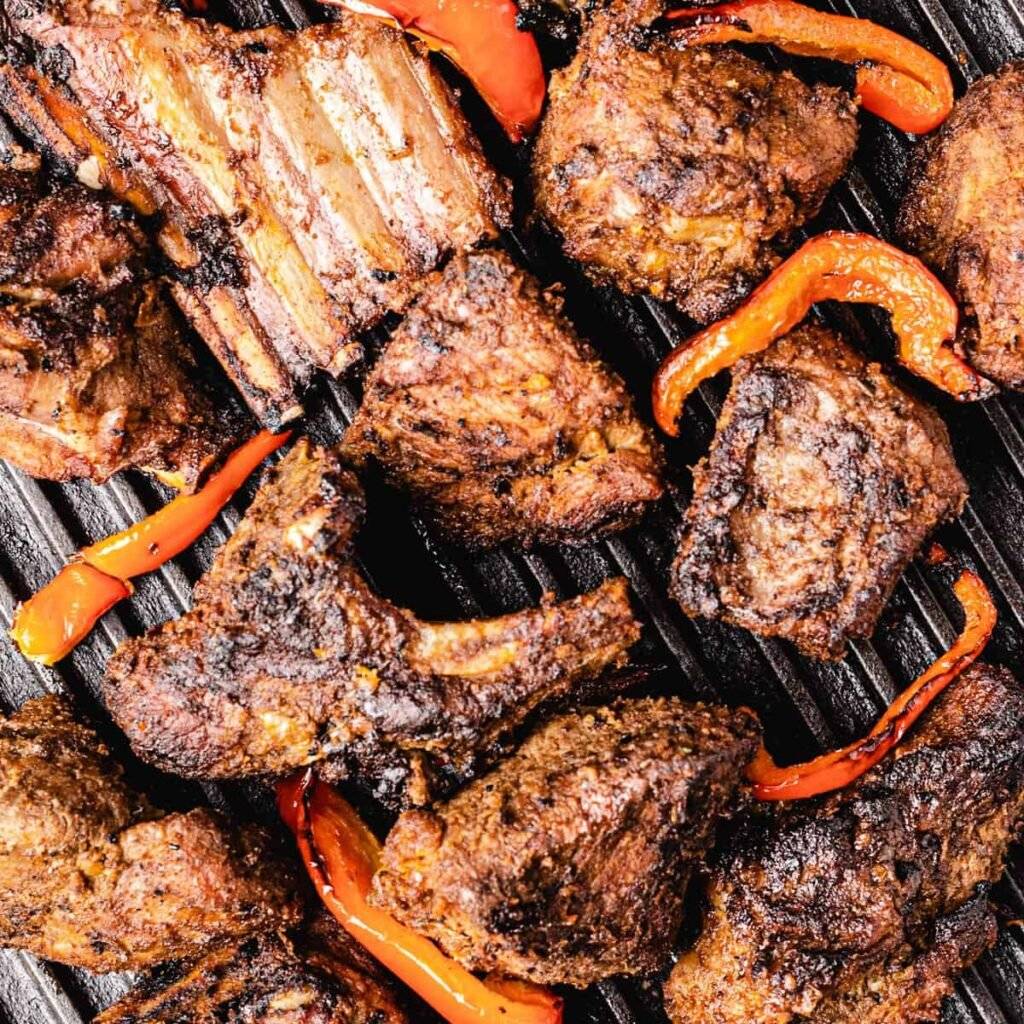
2. Nyama Choma (Tanzanian BBQ)
One of the most famous foods in Tanzania, Nyama Choma is slow-roasted meat, usually goat or beef.
Cooked over charcoal for a smoky flavor
Served with kachumbari (tomato & onion salad)
A social dining experience
A must-try for anyone exploring local food in Tanzania
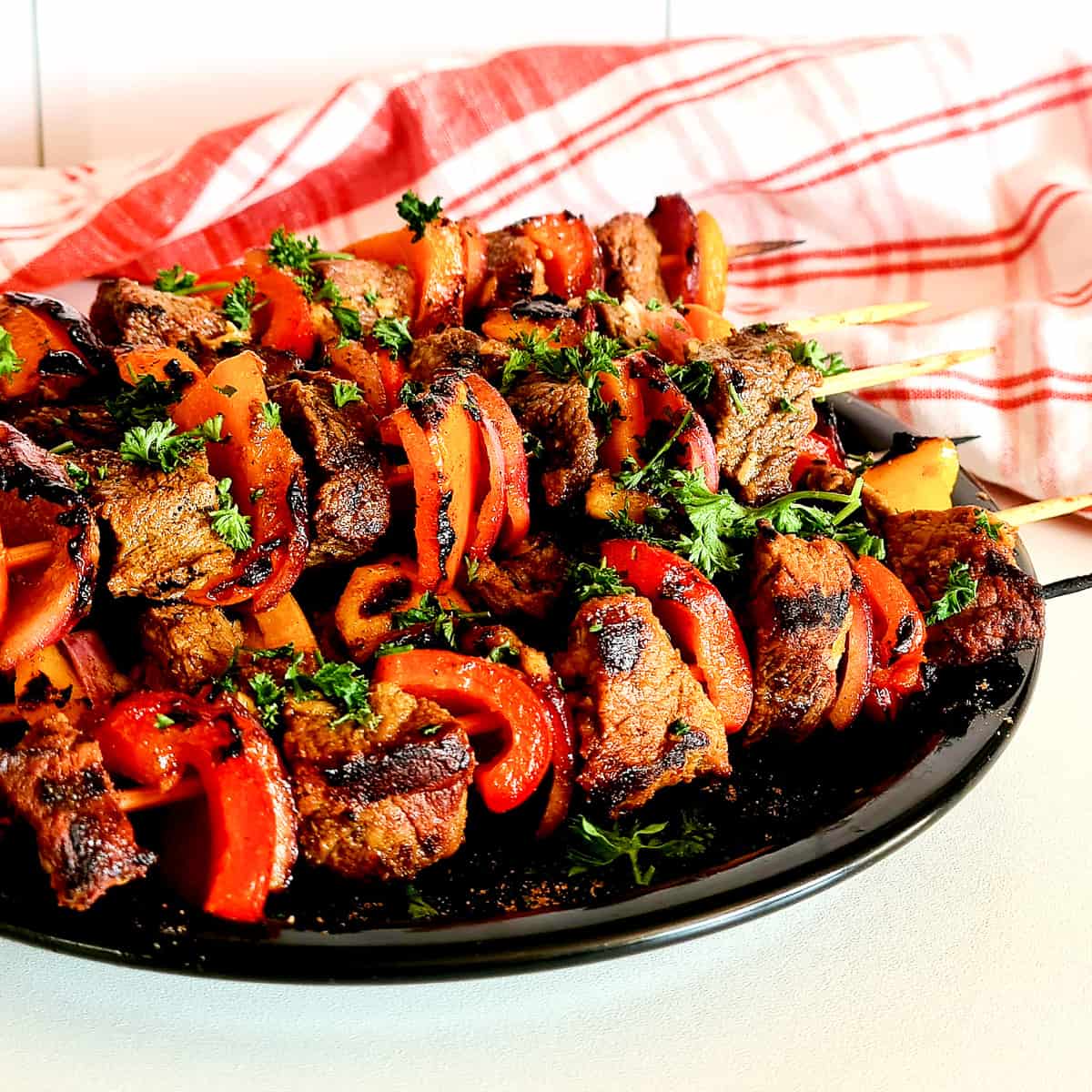
3. Mishkaki (Street Food Skewers)
Mishkaki are marinated meat skewers, similar to kebabs but richer in flavor.
Tenderized with papaya
Grilled quickly over high heat
Popular evening street food
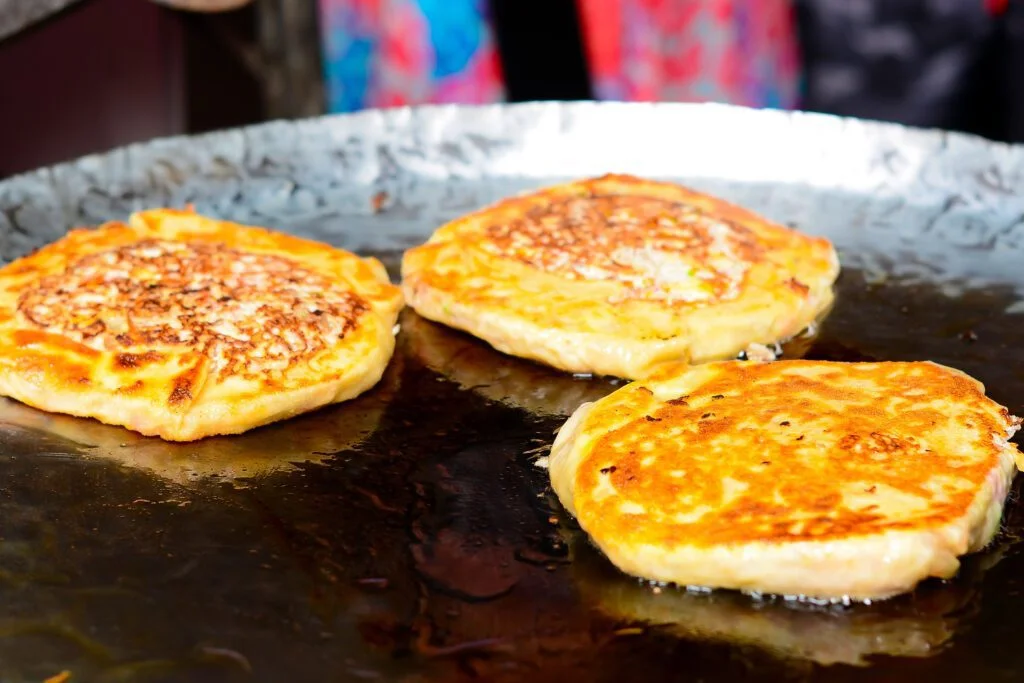
4. Zanzibar Pizza
Despite the name, this is not Italian pizza.
Thin dough filled with meat, egg, and vegetables
Fried into a crispy parcel
Also available as a sweet version
Best found at Zanzibar night markets
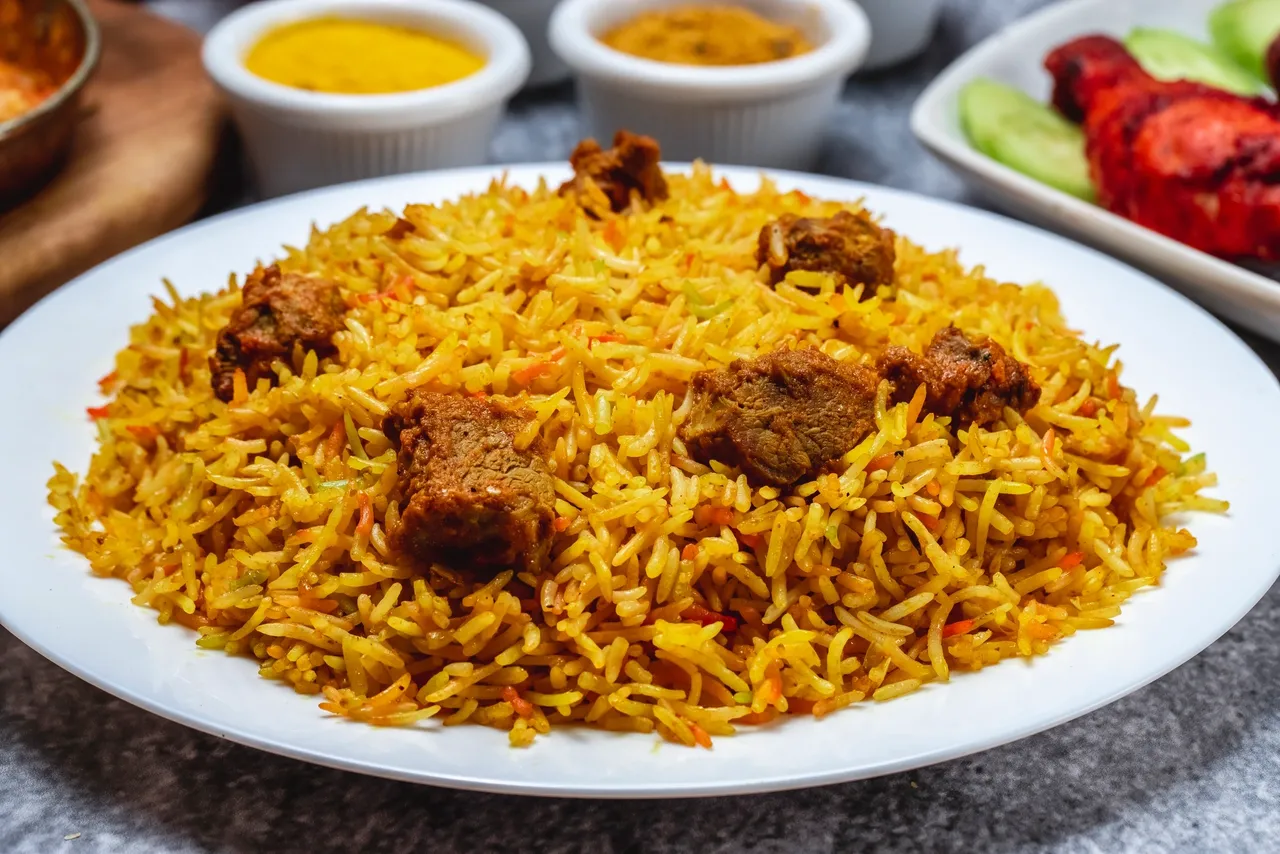
5. Pilau Rice
A spiced rice dish cooked in meat broth.
Flavored with cloves, cinnamon, and cardamom
Rich, aromatic, and slightly peppery
Common at celebrations
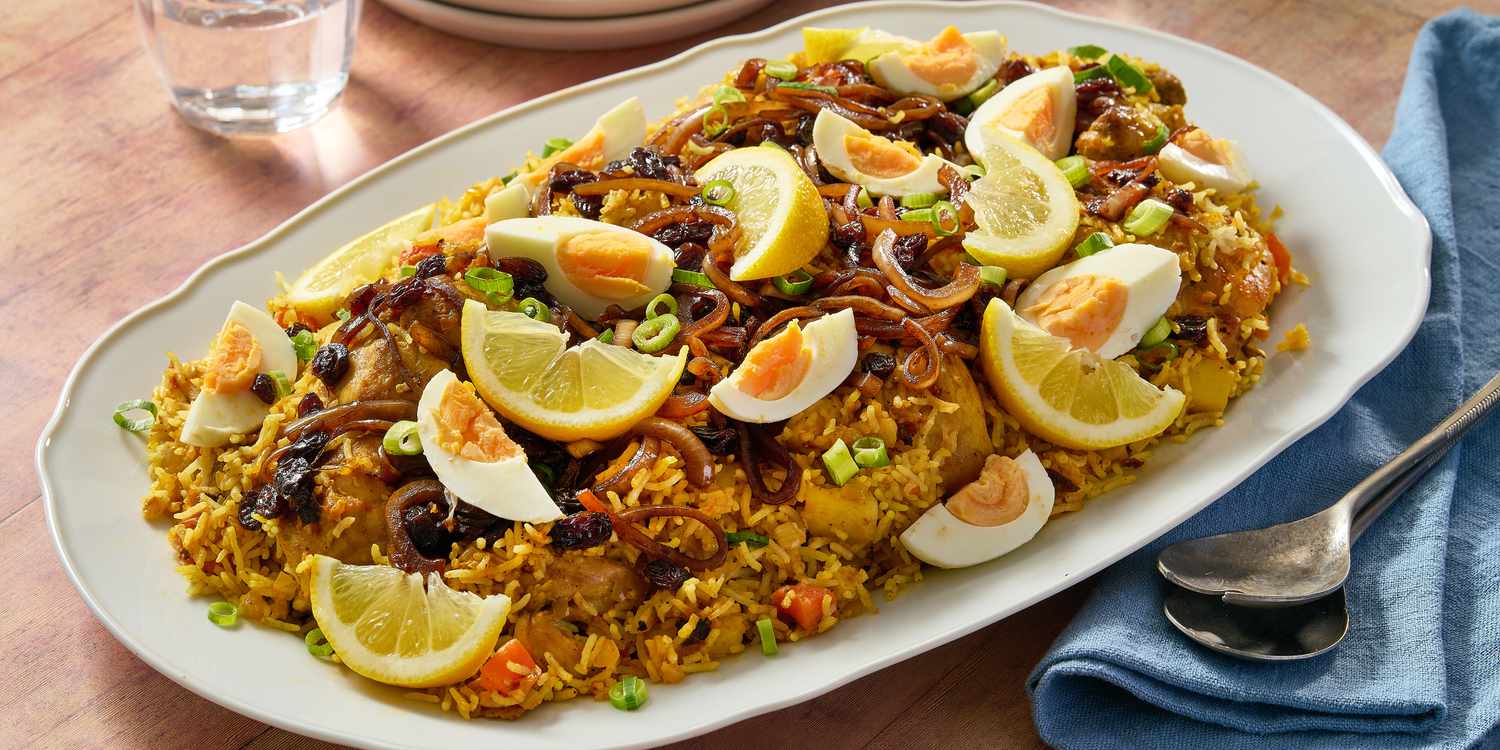
6. Biryani (Swahili Style)
Unlike pilau, biryani is layered and more saucy.
Separate rice and curry components
Often served during special occasions
Influenced by Indian cuisine
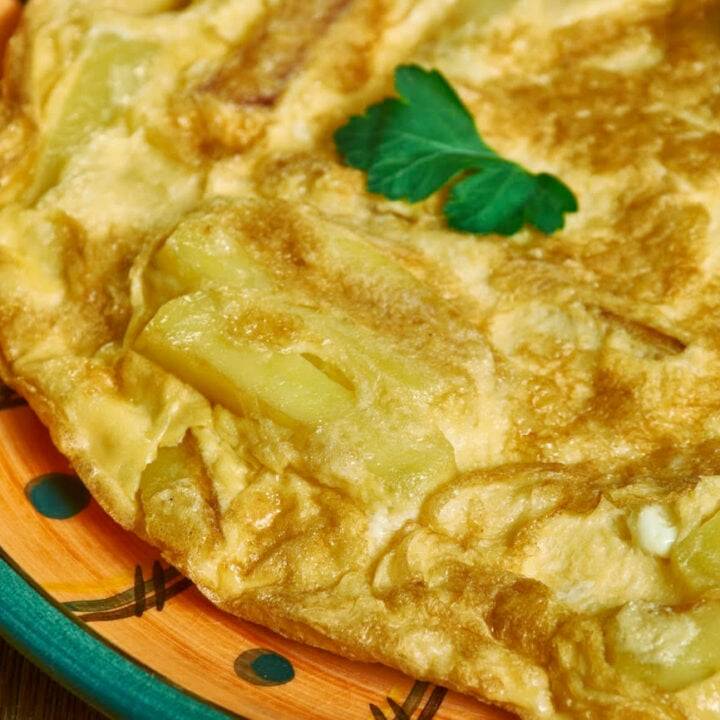
7. Chipsi Mayai (Fries & Eggs)
A modern favorite and one of the most popular Tanzanian street foods.
French fries cooked with eggs into an omelet
Cheap, filling, and widely available
Served with chili sauce and salad
Perfect for travelers on a budget
8. Wali wa Nazi (Coconut Rice)
A coastal favorite made with coconut milk instead of water.
Creamy and slightly sweet
Often paired with fish or curry
Common in Zanzibar
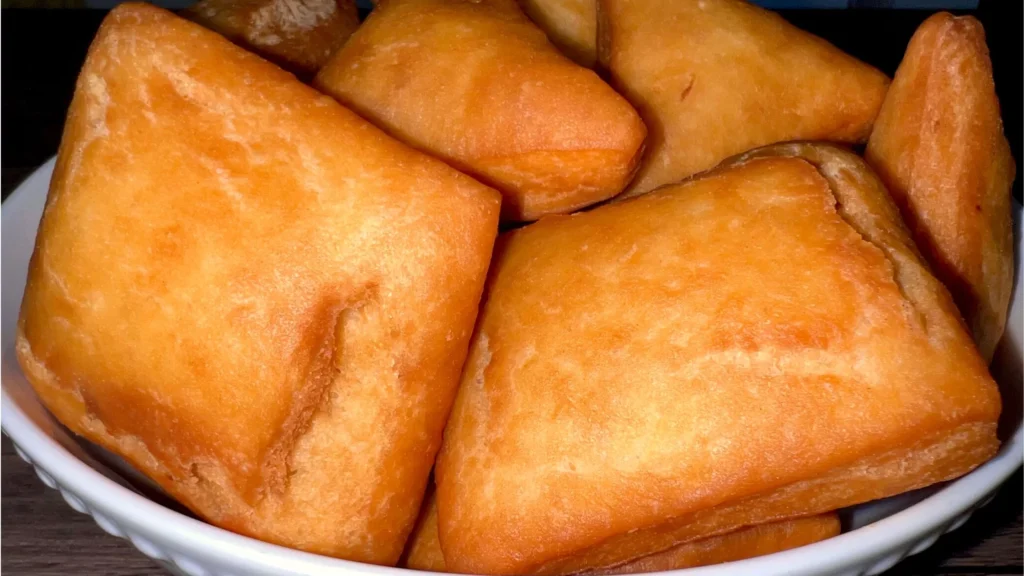
9. Mandazi (Swahili Donuts)
A slightly sweet fried bread, popular for breakfast.
Flavored with cardamom
Best enjoyed with tea
Dense and less sugary than Western donuts
10. Vitumbua (Rice Cakes)
A unique Tanzanian snack made from rice flour and coconut milk.
Crispy outside, soft inside
Naturally gluten-free
Popular in coastal regions
What Makes Tanzanian Food Special?
Eating in Tanzania is more than just food, it is a shared cultural experience.
Meals are often eaten communally
Many dishes are eaten by hand
Food reflects history, culture, and geography
This combination makes Tanzanian cuisine one of the most authentic culinary experiences in Africa.
How to Eat Like a Local: 3 Rules of Tanzanian Etiquette
Eating in Tanzania is less about cutlery and more about connection. Meals are social, shared, and deeply rooted in tradition.
The most important rule is simple: always use your right hand. The left hand is reserved for hygiene, so using it to eat or pass food is considered disrespectful.
You will also hear the word “Karibu” (welcome) often. It is more than a greeting. In many cases, it is a genuine invitation to sit down and share a meal.
Before eating, locals follow a simple but meaningful ritual called Nawa, a traditional way of washing hands at the table.
Here’s how to take part:
Extend your right hand over a basin
Allow the host to pour warm water over your hands
Wash, rinse, and dry with the towel provided
This small ritual reflects respect, cleanliness, and the communal spirit of Tanzanian dining.
Your Tanzanian Food Bucket List: Where to Taste Authenticity Next
By now, you have moved beyond the typical “safari box lunch” and stepped into the real world of Tanzanian cuisine.
Whether you are scooping stew with Ugali or enjoying a freshly made Mandazi, you now understand the culture behind the food. What once felt unfamiliar now becomes an invitation to explore.
If you are still deciding what to eat in Tanzania, let this guide lead the way.
To keep your experience safe and enjoyable, follow these simple street food tips:
Follow the crowd – busy stalls usually mean fresh food
Check the heat – ensure meat like Mishkaki is grilled fresh and hot
Drink smart – stick to sealed bottled water
Stay curious. Try new flavors. Order that Zanzibar Pizza and enjoy the authentic taste of the Swahili coast.
Q&A: Understanding Tanzanian Food
Why is Tanzanian cuisine described as a 1,000-year-old fusion?
Tanzanian cuisine developed through centuries of trade along the Indian Ocean. Persian and Indian influences introduced spices such as cardamom, cloves, and cinnamon, which blended with local African ingredients.
Today, coastal dishes are rich, spiced, and coconut-based, while inland meals are heartier and focused on grilled meats and staples. Across the country, Ugali remains the foundation of most meals.
How do I eat Ugali like a local?
Ugali is a firm maize porridge with a neutral taste. It is designed to complement stews and curries rather than compete with them.
To eat it properly:
Use your right hand
Pinch off a small piece
Roll it into a ball
Press your thumb to form a scoop
Use it to pick up sauces or meat
Using your left hand is considered impolite.
What’s the difference between Pilau and Biryani?
While both are spiced rice dishes, they are prepared differently.
Pilau is cooked in one pot with seasoned meat broth. The rice absorbs all the flavor, resulting in a dry, rich dish.
Biryani is layered. Rice and curry are cooked separately and combined when served, making it more saucy and visually distinct.
How do Nyama Choma and Mishkaki differ?
Both are popular meat dishes but offer different experiences.
Nyama Choma is slow-roasted meat, usually goat, cooked over charcoal. It is simple, smoky, and often enjoyed in a social setting with Ugali and kachumbari.
Mishkaki are marinated meat skewers, grilled quickly over high heat. The marinade gives them a tender, flavorful finish.
What dining etiquette should I know?
To eat like a local in Tanzania:
Always use your right hand
Accept “Karibu” as a genuine invitation
Take part in the Nawa handwashing ritual before meals
These customs are simple but important. They reflect respect, hospitality, and the shared nature of Tanzanian food culture.