

Tanzania offers a rich culinary experience. The cost of food in Tanzania varies widely, depending on where you choose to eat. From bustling street markets to cozy restaurants, options abound. Street food is a budget-friendly choice, letting you enjoy local flavors without spending much. Restaurants offer a range of prices. Mid-range dining is affordable, with meals costing around $5 to $10. Grocery shopping is another option, and local markets provide fresh produce at competitive prices. If you’re asking how much is food in Tanzania and what to eat in Tanzania, this guide highlights prices, traditional favorites, and popular Tanzanian dishes. You’ll find that Tanzania food culture welcomes every budget.
Tanzanian cuisine is diverse and flavorful. Traditional Tanzanian food like Ugali and Nyama Choma are must-tries. Drinks also play a significant role. Tanzanian coffee and tea are popular choices. Understanding food costs helps plan your trip better. It ensures you enjoy the best of Tanzanian cuisine. Prepare to explore and savor the tastes of Tanzania.
Food cost in Tanzania is generally affordable. Many travelers wonder: how much does food cost in Tanzania? Prices can fluctuate based on location and type of establishment.
Street food is particularly popular among both locals and travelers. It offers a cheap and authentic taste of Tanzanian culture. Street vendors provide a variety of snacks and meals at minimal costs.
Restaurants, on the other hand, may come with a slightly higher price tag. However, even mid-range eateries offer budget-friendly options compared to Western countries. Dining in tourist-heavy zones may cost more, but quality and experience often justify the expense.
Grocery shopping provides another perspective on food cost in Tanzania. Local markets are replete with fresh, inexpensive produce. Imported goods, on the contrary, tend to be pricier due to added taxes.
Here’s a quick glance at food costs:
Understanding these average costs helps visitors plan and budget effectively during their stay.
Tanzania offers a varied culinary experience. Prices differ largely between restaurants, street food, and grocery shopping.
Dining out in Tanzania is a rewarding experience. Meal prices in restaurants range from affordable to moderate. Mid-range restaurant meals typically cost between $5 and $10.
You can expect these typical expenses:
Fine dining exists but at a fraction of Western costs. Quality remains high across price ranges, making restaurants a worthwhile choice.
Street food stands are ubiquitous in Tanzania. They offer tasty, fresh meals at incredibly low prices. This makes them attractive to budget-conscious travelers.
Common street food items include:
Exploring street food also provides a cultural insight into Tanzanian life. Local eateries, called “Mama Lishe,” serve meals that are both authentic and inexpensive.
Grocery shopping in Tanzania caters well to travelers. Local markets are full of affordable, fresh options. Basic grocery prices are notably lower compared to many Western countries.
Typical grocery items and their costs include:
Visiting markets offers not just savings but also a chance to mingle with locals. Imported goods may carry a higher price tag, largely due to shipping and tax costs. Overall, the grocery experience ensures you enjoy Tanzania on any budget.
If you’re planning what to eat in Tanzania, start with staples and regional specialties. Tanzanian cuisine offers a flavorful fusion of native and international influences. It reflects the country’s cultural diversity and fertile land. Spices play a significant role in many of the local dishes.
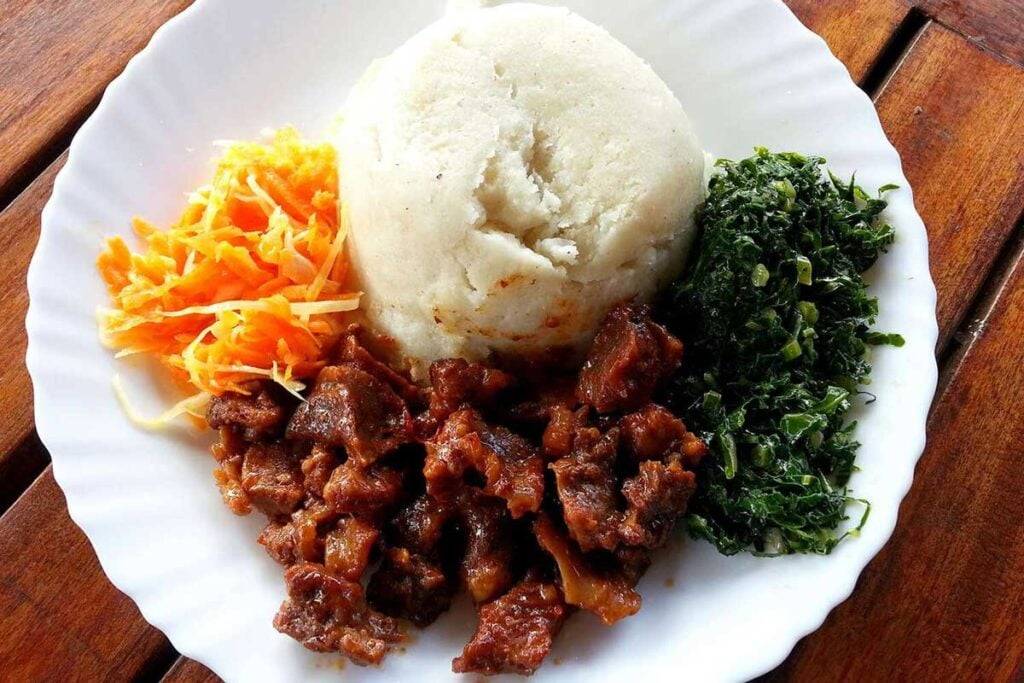
The staple food of Tanzania is ugali. This dish accompanies most meals. It’s made from maize flour and resembles a thick porridge.
Rice is another popular staple, often seasoned with various spices. Pilau is a beloved rice dish infused with rich flavors and aromas.
Seafood lovers will enjoy the coastal regions. Fish, octopus, and prawns are common in Swahili dishes. Fresh seafood here is plentiful and cooked in delightful ways.
Sampling the food is essential. It helps you understand Tanzania’s rich culinary heritage.
Diving into Tanzanian food offers a spectrum of flavors. Here are some popular dishes to savor:
Each dish reflects the region’s resources and traditions. Savoring these creates a deeper connection to local culture. Trying diverse dishes broadens not only the palate but also the mind.
Vegetarian dishes abound in Tanzania. Leafy greens, beans, and grains feature prominently. Even in non-vegetarian dishes, vegetables play a star role.
Consider these options:
Tanzanian cuisine caters to various dietary needs with flair. It offers delight and variety for everyone.
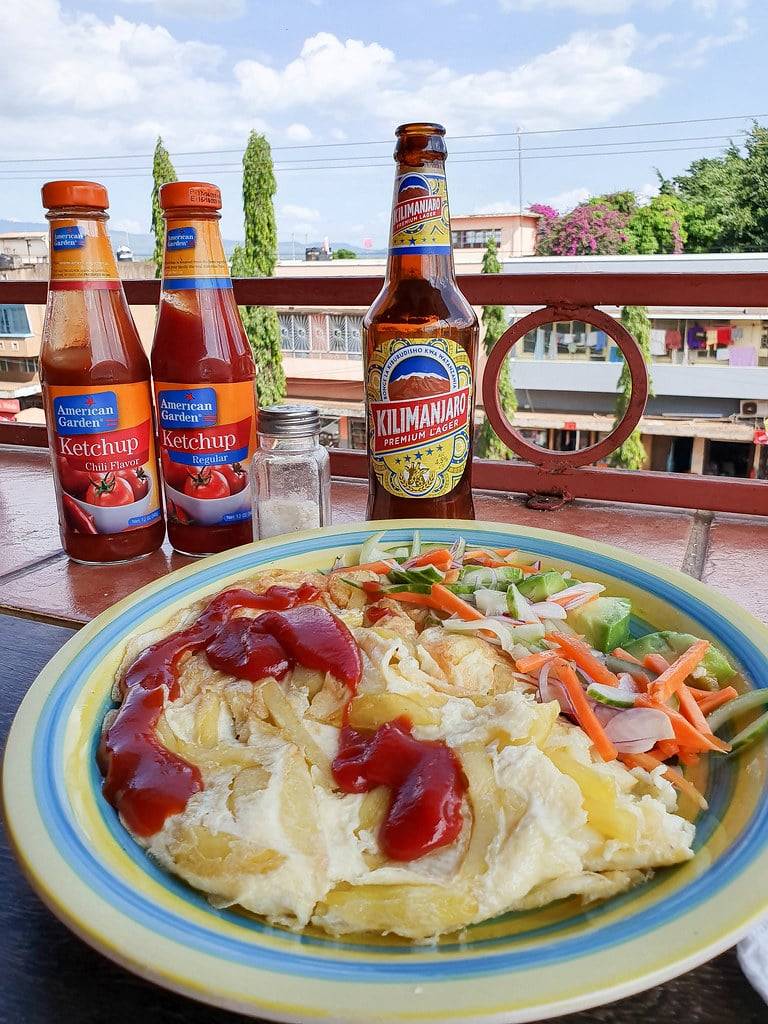
When exploring Tanzanian cuisine, some foods shouldn’t be missed. The array of flavors and cooking styles tantalize the taste buds.
First on the list is Nyama Choma, a must-try for meat lovers. This grilled meat dish pairs well with local beer. The meat is often served with spicy sauces and vegetables.
For those with a sweet tooth, Vitumbua offer a delightful treat. These rice doughnuts are lightly sweetened and fried to perfection.
Regarding seafood, visiting Zanzibar is essential. Dishes like octopus curry and grilled fish showcase coastal bounty. These meals are often spiced with flavors of the Swahili coast.
Tanzanian beverages complement meals splendidly. You can explore both alcoholic and non-alcoholic options. A sip of local tea enriches any culinary journey.
Sampling local cuisine helps travelers fully experience Tanzania. Each meal reveals more about the country’s culture and tradition.
Tanzanian drinks offer a refreshing experience. Each sip brings unique flavors.
To start, local beers like Kilimanjaro and Safari are popular choices. Their crisp taste suits both hot days and hearty meals.
Fresh Tanzanian coffee is a delight with its robust flavor. Enjoy this brew black or with milk.
For a non-alcoholic treat, try freshly squeezed juices. They use local fruits like mangoes and passionfruit.
With each drink, discover more of Tanzania’s rich palate. It’s an adventure of taste worth embarking on.
Tanzania’s culinary scene varies between the mainland and Zanzibar. Each region offers distinct flavors.
Mainland Tanzania boasts hearty, comfort foods. Dishes like Ugali and Nyama Choma reflect local agricultural influences.
Zanzibar, known as the Spice Island, shines with aromatic dishes. Seafood paired with spices like cardamom and cloves is a regional highlight.
Tourists often seek out Zanzibar’s coastal specialties. Here, seafood like octopus and prawns feature prominently.
Explore both regions to appreciate Tanzania’s full culinary diversity. Each bite offers a new taste adventure.
Sampling various dishes reveals the depth of Tanzania’s food culture. From spices to staple grains, the journey is deliciously diverse.
Eating out in Tanzania can be affordable with some know-how. First, explore local “Mama Lishe” eateries. These venues offer tasty local dishes at minimal cost.
Street food is another way to enjoy meals without overspending. Tasty snacks like samosas and mishkaki are not only cheap but also delicious.
When dining in restaurants, consider eating during lunch hours. Many places offer lunch specials, which are budget-friendly.
For grocery shopping, visit local markets. Fresh produce is often cheaper than in supermarkets.
Additionally, consider sharing larger dishes if portions are generous. This can significantly cut down food costs.
A few simple strategies can make eating in Tanzania both economical and enjoyable. Embrace the local food culture for a rich experience.
Food safety is crucial when traveling. Always choose freshly cooked foods to minimize risk. Opt for bottled water to avoid potential issues with tap water.
Tipping is appreciated in Tanzania, though not obligatory. A tip of 5-10% is usually welcome in restaurants. It shows your gratitude for good service.
Regarding cultural etiquette, it’s polite to greet people warmly. Learn basic Swahili phrases to enhance your travel experience. Simple gestures of respect go a long way in creating positive interactions.
Tanzanian food is quite affordable. Local dishes are budget-friendly. Prices can rise in tourist-centric zones.
A mid-range restaurant meal costs about $5 to $10. Street food, however, can be as low as $1.
Groceries in Tanzania are cheaper than in many Western countries. Fresh produce is particularly good value.
Local beers and bottled water are reasonably priced. Expect to pay $0.50 for water and up to $2 for beer.
These costs make Tanzania a great destination for budget travelers seeking culinary adventures.
Tanzanian cuisine offers delightful flavors at economical prices. Whether you dine at local eateries or try street vendors, there’s something for everyone.
Experiencing the rich culinary culture doesn’t require breaking the bank. With a little exploration, you can enjoy a variety of dishes and drinks without exceeding your budget. Embrace the diverse tastes of Tanzania, and savor the rich heritage through its food.
Question: How much should I budget per day for food in Tanzania?
Short answer: Use the guide’s price ranges to build a daily estimate.
Question: Is street food safe to eat in Tanzania?
Short answer: Street food is popular and budget-friendly. To minimize risk, follow the guide’s safety tips: choose freshly cooked foods and opt for bottled water rather than tap water.
Question: What are “Mama Lishe” eateries, and why should I try them? Short answer: “Mama Lishe” are local, no-frills eateries serving authentic Tanzanian meals at low prices. They offer a cultural experience similar in affordability to street food but with sit-down dishes, making them a great value alternative to restaurants.
Question: I’m vegetarian/vegan what can I eat in Tanzania?
Short answer: Tanzania has plenty of plant-forward options. Examples in the guide include Mchicha (spinach stew, often with coconut milk) and Chipsi Mayai (potato omelet; suitable for ovo-vegetarians). Ndizi na Nyama (plantains with meat) is commonly adapted without meat. Leafy greens, beans, grains, and vegetable sides feature prominently across meals.
Question: Are prices different in tourist areas or between Mainland and Zanzibar?
Short answer: Yes, prices can rise in tourist-heavy zones, regardless of region. As for food itself, the Mainland leans toward staples like ugali and nyama choma. Zanzibar (the “Spice Island”) emphasizes spice-infused dishes and seafood such as octopus and prawns.
Question: How much should I budget per day for food in Tanzania?
Short answer: Use the guide’s price ranges to estimate based on your style:
Question: What are “Mama Lishe” eateries, and how do they compare to street food and restaurants?
Short answer: “Mama Lishe” are local, no-frills eateries serving authentic Tanzanian dishes at low prices. They’re typically as affordable as street food but offer sit-down meals, making them a great-value alternative to restaurants while still delivering a genuine local experience.
Question: Which traditional foods and drinks should I prioritize trying?
Short answer: Don’t miss staples and regional favorites:
Question: How can I save money on food without missing out?
Short answer: Lean into local options and timing:
Question: What food safety and etiquette tips should I follow?
Short answer: Keep it fresh and be culturally mindful: