

Zanzibar is famous for its rich and aromatic cuisine shaped by Swahili, Indian, and Arab influences. The island’s food combines fresh seafood, coconut, and spices such as cloves, cinnamon, and cardamom.
If you are wondering what to eat in Zanzibar, the answer goes far beyond just seafood. From street food in Stone Town to traditional home-cooked dishes, Zanzibar offers one of the most diverse food experiences.
Zanzibar cuisine reflects centuries of trade and cultural exchange. Traders brought spices, cooking techniques, and ingredients that shaped the island’s identity.
Today, Zanzibar food stands out because of:
You will experience this best while exploring Stone Town and Forodhani Gardens, where local food comes alive every evening.
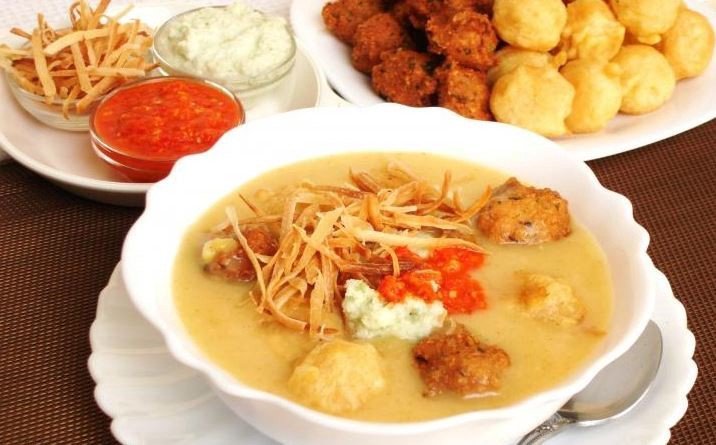
Urojo is one of the most famous dishes in Zanzibar. Locals call it Zanzibar mix because it combines multiple ingredients into one flavorful bowl.
The soup uses mango pulp, flour, and spices to create a thick base. Vendors add potatoes, fried snacks, meat skewers, and tamarind sauce.
2. Octopus Soup (Supu ya Pweza)
This distinctively purple-hued soup is unlike any other.
This traditional breakfast dish highlights Zanzibar’s coastal identity. Cooks prepare it with fresh octopus, garlic, and onions.
It has a naturally salty flavor and pairs perfectly with lime and fresh bread.
3. Coconut Fish Curry
Coconut fish curry is a staple in many Zanzibar homes and a true highlight of local cuisine. While mainland versions often use tilapia from Lake Victoria, Zanzibar chefs prepare it with freshly caught ocean fish.
They combine the fish with coconut milk, tomatoes, garlic, and ginger to create a rich, balanced dish.
As a result, the curry is creamy, flavorful, and deeply satisfying.

4. Octopus Curry (Mchuzi wa Pweza)
Visitors to Zanzibar may find Octopus Curry offered at any time of day, including breakfast! Among beloved Zanzibar dishes, this is one of the most delicious ways to experience this unique seafood, even as part of your first meal of the day.
Octopus curry offers a richer alternative to octopus soup. It uses spices influenced by Indian cuisine.
Some versions include coconut milk, while others use tomato-based sauces.

5. Beans in Coconut Sauce (Maharagwe ya Nazi)
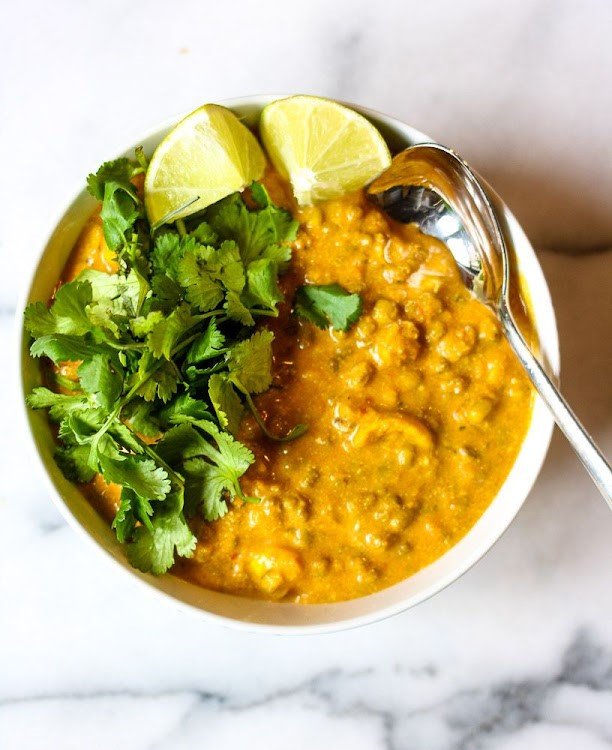
Zanzibari cuisine offers plenty of options for vegetarians. One of the most popular dishes is beans and rice prepared in the Swahili style.
Cooks simmer red kidney beans until soft, then blend them with a rich coconut sauce and serve them with rice.
As a result, the dish is hearty, flavorful, and satisfying. It’s easily one of the best vegetarian meals in Zanzibar and a must-try for plant-based travelers.
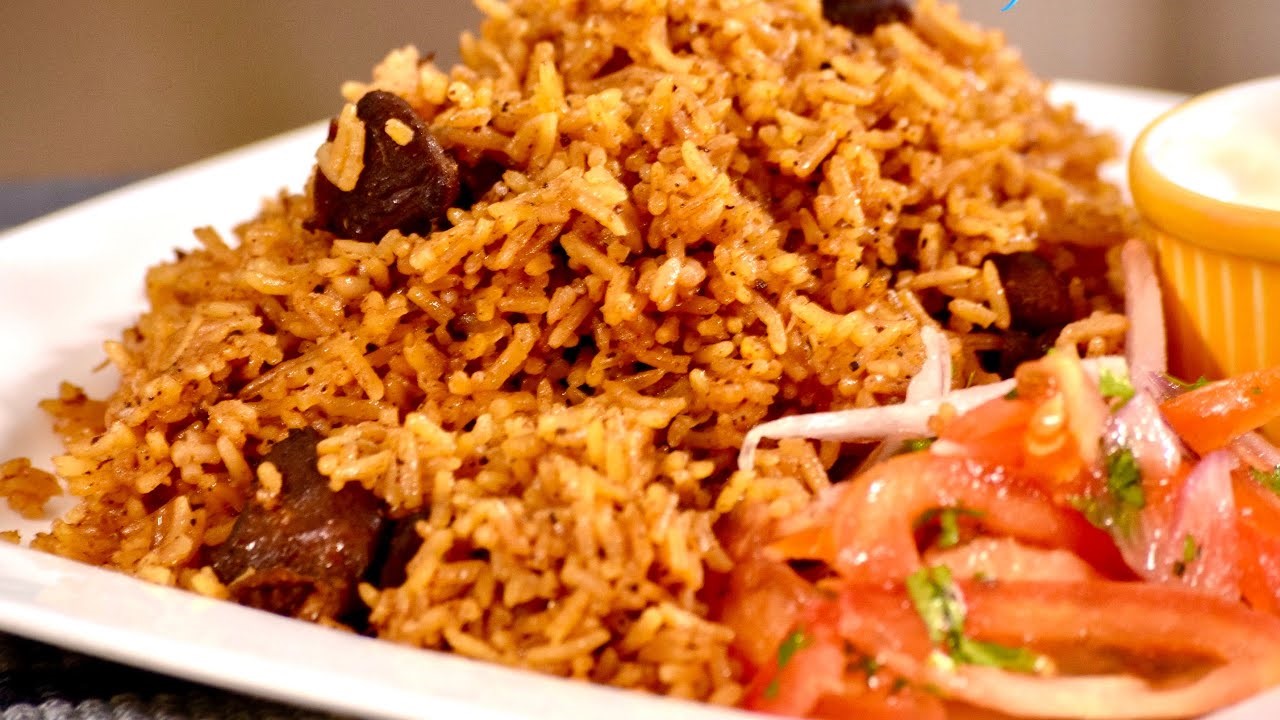
Pilau is a spiced rice dish that traces its origins back to ancient Persia. Today, cooks prepare it using a blend of cardamom, cloves, cinnamon, cumin, and black pepper.
Across Zanzibar, people serve pilau widely, often adding meat or potatoes for extra flavor. Over time, it has become a staple across East Africa, with each country adding its own unique twist.
As a result, pilau is more than just a meal. People commonly enjoy it during special occasions like Christmas or as a traditional Sunday lunch.
7. Biriyani
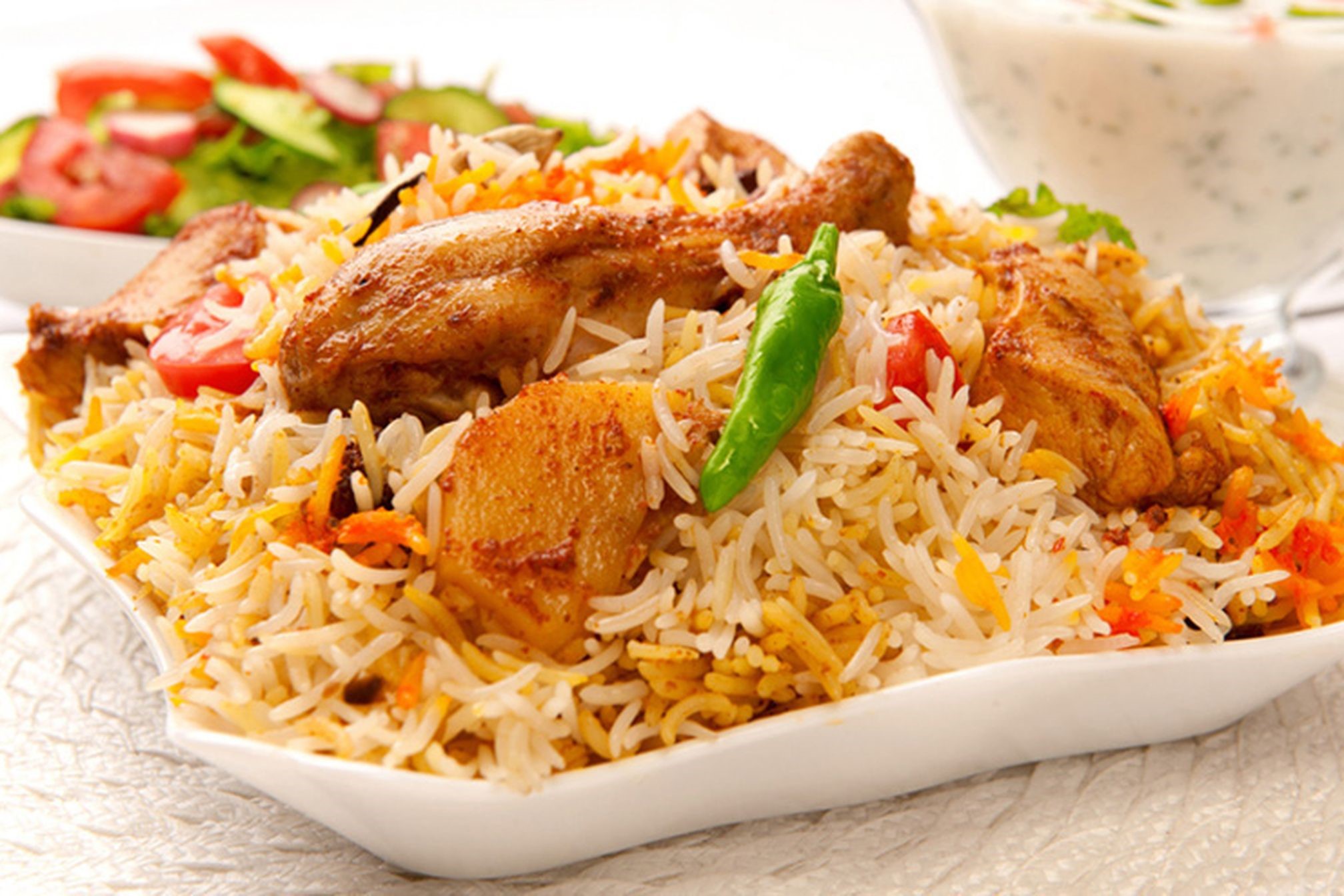
During the week, it can be harder to find great biriyani. However, on Fridays, the Muslim day of worship, this dish takes center stage across Zanzibar.
Cooks prepare biriyani with fragrant yellow rice and serve it alongside a rich sauce made with chicken, lamb, or beef. Saffron gives the rice its signature color, while garlic, cardamom, and cinnamon add depth and warmth.
As a result, biriyani has become one of the most loved dishes in Stone Town. So, if you are visiting Zanzibar, make sure to try a plate. It is a true pillar of local cuisine.
Because of the tropical heat, you may not always feel like having a full meal during the day. Instead, this is the perfect time to explore Zanzibar’s street snacks and sweet treats.
These small bites are not only delicious but also an essential part of everyday Zanzibar cuisine.
8. Katlesi / Chops
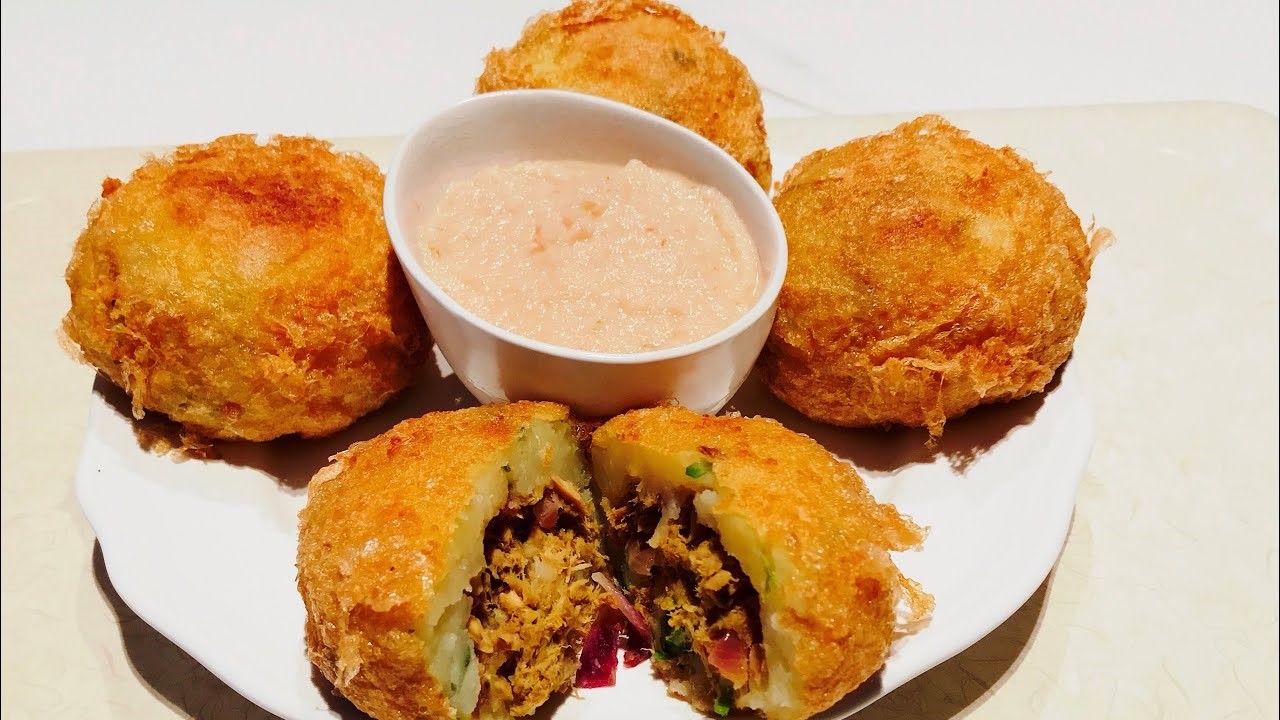
Katlesi, sometimes spelled “cut-lass,” is a popular street snack made from spiced ground beef. Cooks shape the meat into a ball, wrap it in mashed potatoes, dip it in egg, and then deep fry it until golden.
As a result, it turns crispy on the outside and soft on the inside.
Whatever the name, make sure to grab a few and enjoy them while they are still warm. It’s a simple yet delicious taste of everyday Zanzibar food culture.
9. Calamari Rings
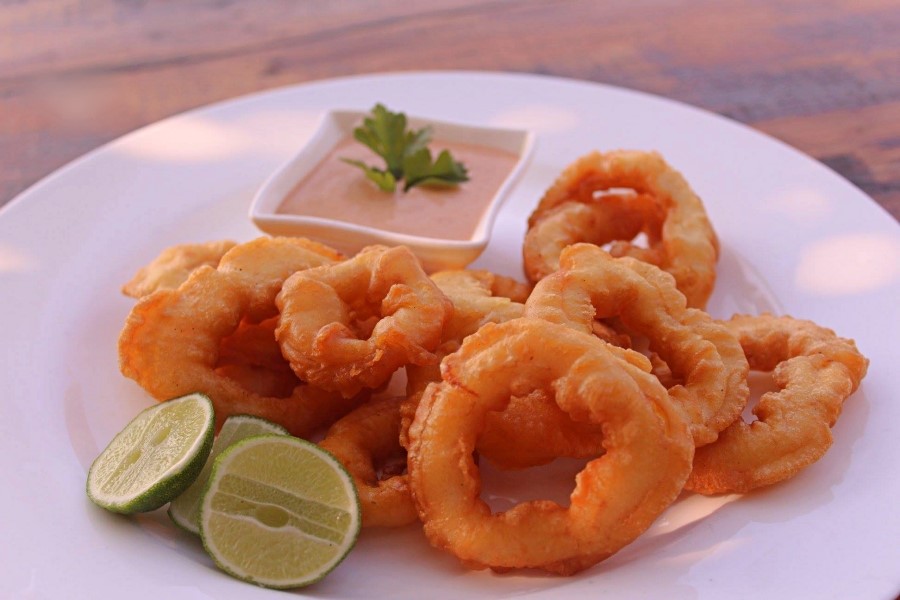
Vendors across Stone Town prepare fresh calamari daily and sell it as a quick, tasty snack. They either grill it or fry it in oil, making it perfect for an easy lunch or afternoon bite.
They serve it simply with a squeeze of lime and a pinch of salt. Often, they wrap it in newspaper instead of using a plate, which adds to the authentic street food experience.
10. Zanzibar Pizza
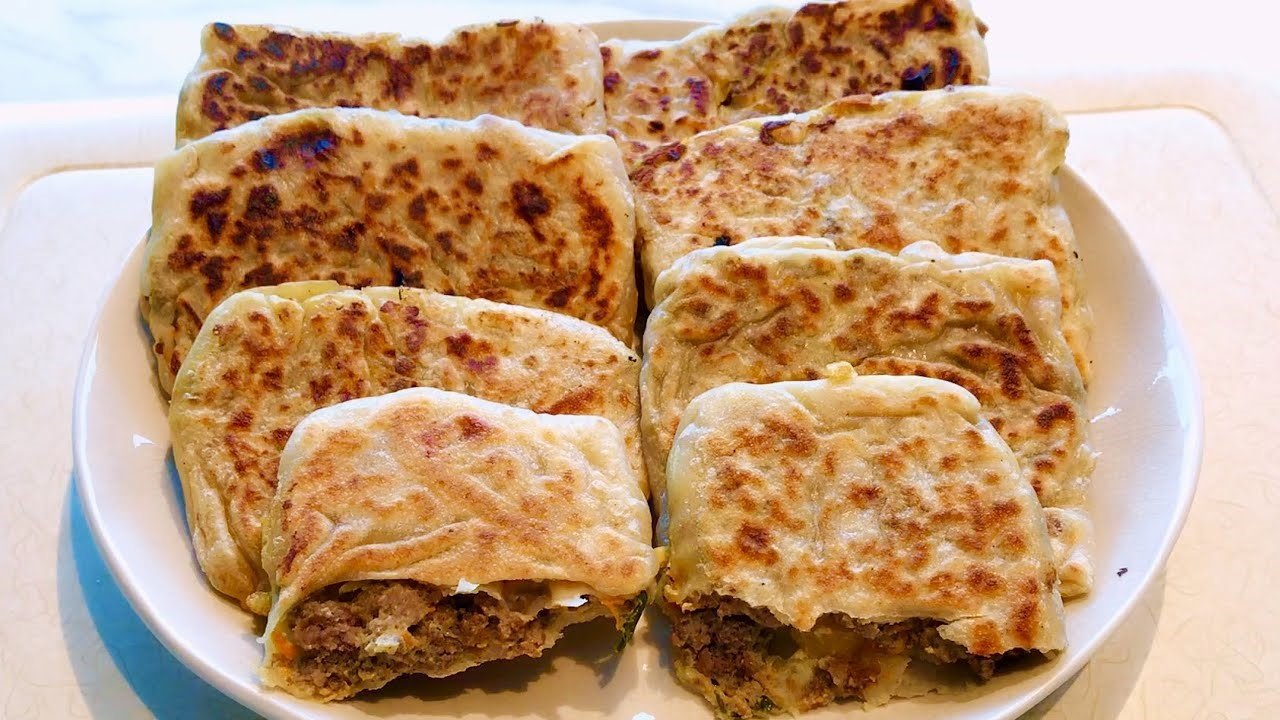
Vendors fill thin dough with your choice of ingredients, then fold and seal it into a small square pocket.
Next, they fry it on a hot skillet until the outer crust turns golden brown and crispy.
As a result, it becomes a crunchy, satisfying snack with a soft, flavorful filling inside.
11. Chips Mayai
Across Tanzania, people turn to a hot plate of eggs and fries as their go-to late-night snack.
Cooks prepare chips mayai by combining thick-cut fries with a hearty omelette, creating a simple but filling dish.
As a result, it has become one of the closest things to fast food in the region. While it may not be the healthiest option, it is satisfying, flavorful, and definitely worth trying while in Zanzibar.

12. Kalimati
Vendors fry small dumplings and roll them in sugar while they are still warm, creating a sweet treat similar to a large donut hole.
If you are in Stone Town in the evening, head toward the Old Fort and look for a chai cart. There, you will find kalimati that are soft, fluffy, and often large enough to fill your palm. Vendors coat them in a thick sugar glaze, which pairs perfectly with tangy ginger tea.
You can also find kalimati in local bakeries and small shops, usually displayed at the front alongside cakes and biscuits.

13. Date Cake
Tende is the name of the soft Arabian dates that arrive in Zanzibar’s port regularly. At local markets, you are sure to see glass displays packed with the dried fruits, sold by the kilogram.
Tende are pitted, chopped and blended into a popular and delicious confection: date cake, available at the many coffee shops in Stone Town.
If you’re looking for a sweet treat in Zanzibar, try a slice of date cake a classic in the food of Zanzibar.

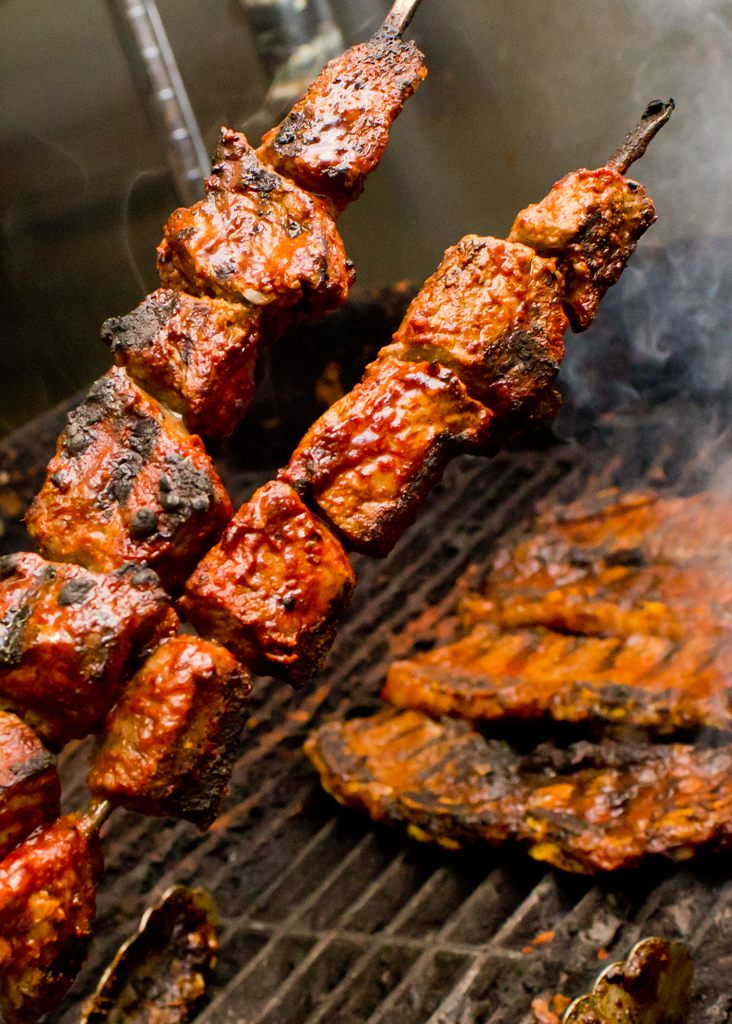
Marinated beef skewers are not just for urojo soup. Enjoy them alone, or with hand-cut fries, or added to chips mayai for even more protein.
In Forodhani Gardens there are many grills serving piping hot mishkaki alongside seafood options, or find them at street vendors also.
15. Boflo
If you wake early in Stone Town and take a stroll on the quiet streets of the ancient town, you’re sure to see someone standing beside an enormous basket, filled with bread.
These small, soft white loaves, the size of your hand, are locally known as boflo and are a wonderful breakfast option. One could easily put away a loaf or two with tea.
Grab a fresh one and enjoy!

Zanzibar has an abundance of fresh fruits: pineapple, papayas, and mangoes are just a few of the many tropical fruits available across the archipelago. Here are two lesser-known ones:
Known as fenesi in Swahili, jackfruit has become very popular recently, with many vegan recipes using jackfruit as a meat substitute. However, in Zanzibar it is eaten as a sweet, fresh fruit, and not cooked. Jackfruit is the largest fruit grown on a tree; a single jackfruit can weigh up to 50 kgs, or 120 lbs! Due to its size, it either shared, or sold in small portions. 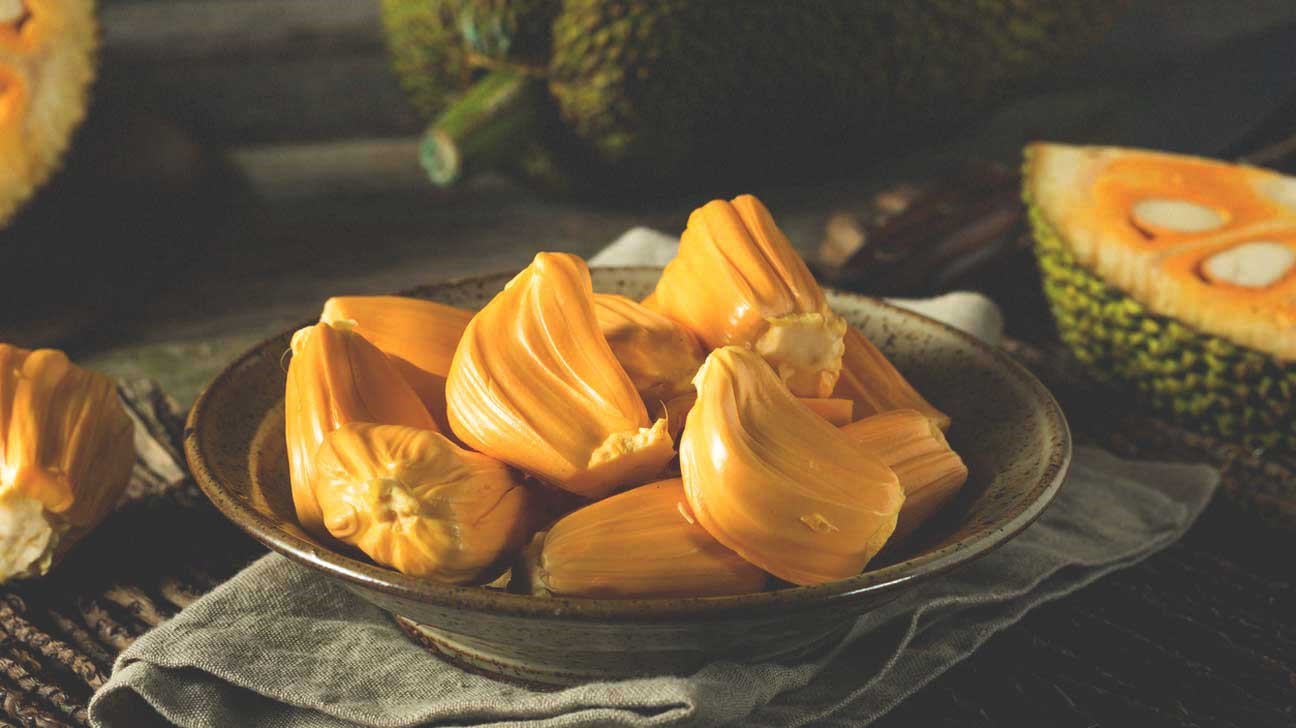
17. Breadfruit
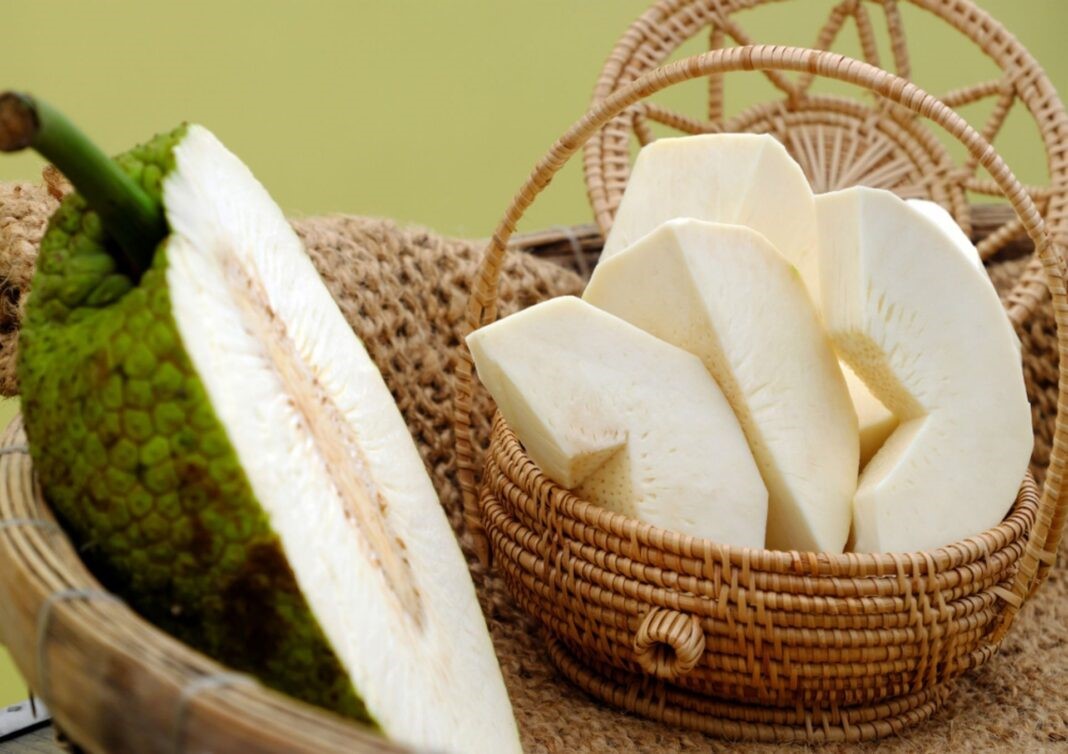
Have you ever tried breadfruit? Have you ever even heard of breadfruit?
While the name is a bit odd, as soon as you have your first taste, you will understand what it’s all about; while it is technically a fruit and grows on a tree, it has a very strong resemblance to starchy bread. While almost all other fruits are eaten fresh or juiced, this is one of the few fruits that is roasted on an open grill, often served alongside fresh seafood.
Ginger tea is a staple in Zanzibar. Served strong and sweet, it will certainly relieve any itch in your throat. Ginger tea can be found in any restaurant or cafe, but is also popularly served by sellers strolling streets with a flask of hot tea and a few clanging cups.

19. Zanzibar Spiced Coffee
No list would be complete without mentioning Zanzibar’s signature spiced coffee, which combines all the most-loved spices: ginger, cinnamon, nutmeg, cardamom and black pepper for an exotic caffeine experience you will not find matched anywhere else.
Frequently served either hot or iced, often as an iced latte, a fragrant icon of Zanzibar cuisine.

20. Sugar Cane Juice
Zanzibar has many sugar cane plantations, processing raw sugar. But another way that sugar cane is used across Zanzibar is in fresh sugar cane juice. Pressed before your eyes, each piece of cane goes through the juicer once or twice, with bits of peeled ginger and lime added to make it even more delicious. Make sure to grab one when you visit for a taste of the tropics, a refreshing staple in the food of Zanzibar.

Zanzibari cuisine blends Swahili, Indian, and Arab influences. As a result, it is rich, aromatic, and full of flavor. Spices are central to every dish. You will often taste cardamom, cinnamon, cloves, cumin, ginger, and black pepper in meals like pilau, biriyani, and coconut curries.
At the same time, fresh seafood and coconut give it a distinct coastal feel. Meanwhile, street treats like ginger tea, kashata, and spiced coffee reflect daily island life. Tropical fruits such as jackfruit and breadfruit add freshness.
You can experience all of this during a Zanzibar holiday with Shiri Adventures.
Timing matters when exploring Stone Town. In the evening, head to Forodhani Gardens for grilled seafood and mishkaki. During the day, Lukman’s is great for local and vegetarian dishes like maharagwe ya nazi.
In the morning, you will find fresh boflo bread on street corners. In fact, octopus soup is a popular breakfast, often served with boflo.
Later on, biriyani is best on Fridays. At night, chips mayai vendors are easy to find across town. For sweets and tea, check around the Old Fort.
These food experiences fit perfectly into a Zanzibar extension after your Tanzania safari.
Both are rice dishes, but they are prepared differently. Pilau is cooked in one pot with spices, so the rice absorbs all the flavor. It often includes potatoes and meat.
Biriyani, on the other hand, is made by cooking rice and curry separately. Then, they are layered or served together.
Because of this, pilau is common every day, while biriyani is especially popular on Fridays.
Yes, there are many. For example, maharagwe ya nazi with rice is a local favorite. Vegan pilau and urojo can also be easily adapted without meat.
In addition, sweets like kalimati and drinks like ginger tea, spiced coffee, and sugarcane juice are all plant-based.
Tropical fruits such as jackfruit and roasted breadfruit are also widely available.
Octopus soup is light and simple. It is made with octopus, garlic, and onions, and is usually eaten for breakfast with boflo and a squeeze of lemon.
Octopus curry is richer and more spiced. It often includes coconut milk and is served with rice at any time of day.
If you are planning your trip, combining these food experiences with a Zanzibar holiday after your safari or even after a Kilimanjaro trek creates a complete Tanzania experience.